
Preventive healthcare programs are receiving increased attention from governments, healthcare providers, and insurers seeking to improve public health outcomes while controlling long-term medical costs. Experts argue that prevention-focused strategies can reduce the burden of chronic disease and improve quality of life.
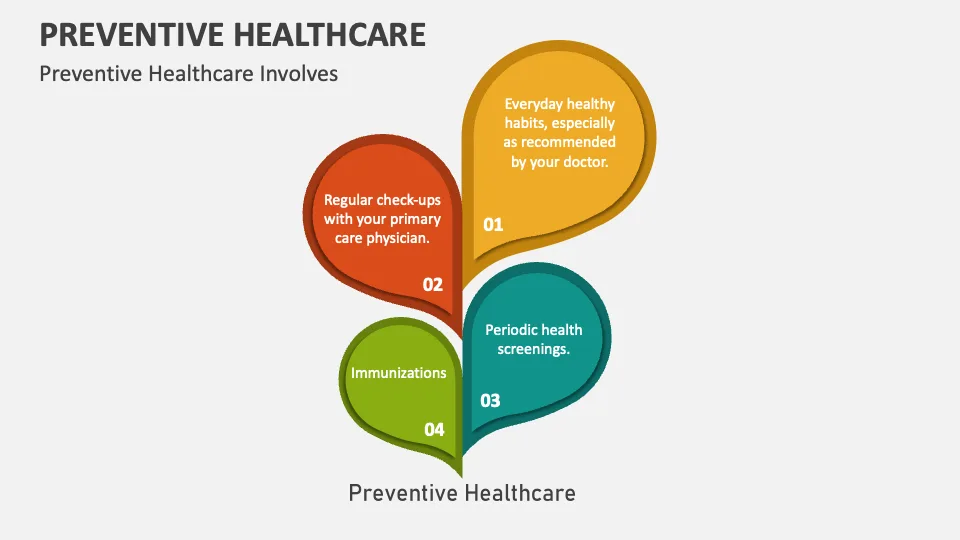
Healthcare professionals emphasize the importance of regular screenings, vaccinations, balanced nutrition, and physical activity. Research shows that many health conditions can be managed more effectively when identified early. Preventive care also reduces pressure on hospitals and emergency services.
Digital health technologies are supporting these initiatives. Wearable devices, mobile health applications, and remote monitoring systems allow individuals to track health indicators and receive personalized recommendations. Healthcare providers can use this information to identify risks and intervene sooner.
Governments are investing in awareness campaigns that encourage healthier lifestyles and promote preventive services. Schools, workplaces, and community organizations are increasingly participating in wellness programs designed to improve public understanding of health risks.
Mental health has also become an important component of preventive healthcare. Organizations are expanding access to counseling, stress management resources, and wellness initiatives that support emotional well-being alongside physical health.
Analysts believe preventive healthcare will become even more important as populations age and healthcare costs continue rising. Continued investment in education, technology, and community-based programs may help improve outcomes while creating more sustainable healthcare systems. Experts predict prevention-focused strategies will play a central role in the future of healthcare worldwide.